Omégabio 3
ACIDES GRAS ESSENTIELS (A.G.E.)
Ces huiles de type “Omega 3“ sont riches en dérivés métaboliques actifs comme l'E.P.A. (acide
€35.00Price


World's Fastest Online Shopping Destination
World's Fastest Online Shopping Destination
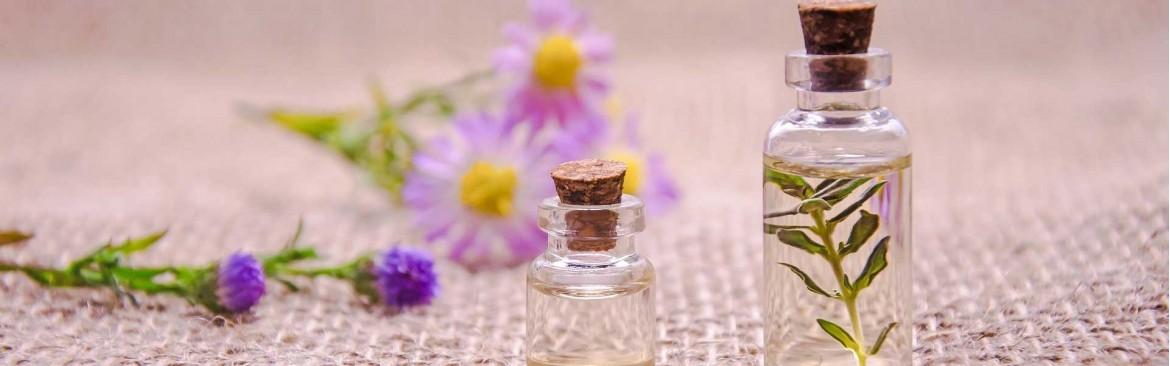
An Essential Oil (or plant essence) is the concentrated liquid of a plant’s aromatic compounds. Although this substance is called an “oil”, it contains no fatty matter: it is volatile and leaves no greasy residue, unlike a vegetable oil.
Ess...
An Essential Oil (or plant essence) is the concentrated liquid of a plant’s aromatic compounds. Although this substance is called an “oil”, it contains no fatty matter: it is volatile and leaves no greasy residue, unlike a vegetable oil.
Essential Oils (E.O.) act on the central nervous system: while some have a sedative effect, others stimulate, and some help restore a disturbed balance. They strengthen and stimulate the body’s natural defense systems.
The quantity of E.O. contained in a plant is extremely small. It can sometimes take one ton of plants to obtain 1 liter of Essential Oil. Hence the high cost of this product.
However, due to their high concentration, E.O. are used in very diluted form. When pure, they may be harmful.
Just a few drops are enough to benefit from their active properties.
There are several natural methods for extracting essential oils. The two main ones are distillation (for most E.O., using the traditional steam distillation process) and cold pressing (the peel or fruit of the plant is cold-pressed, particularly for orange or lemon).
The beneficial effects of aromatic plant substances have been known since Antiquity.
The earliest recorded uses date back more than 7,000 years among the Aboriginal people of Australia, who practiced fumigation.
Egyptian papyri dating back more than 2,800 years mention the use of fine oils and perfumes.
In Babylon, cypress was burned to ward off epidemics.
In Greece, the writings of the physician Dioscorides refer to the use of aromatic extracts.
The Romans used plants in the preparation of ointments.
The Chinese and Indians also benefited from the healing properties of plant-derived oils for treatment and cosmetic preparation.
However, it was in the 10th century, thanks to the Arab alchemist Jabir Ibn Hayyan, inventor of the alembic, that extraction processes advanced.
Nevertheless, the chemist René Maurice Gattefossé is considered the founding father of modern Aromatherapy in 1928.
Aromatherapy (from the Greek arôma: aroma, and therapeia: treatment) is the medical use of aromatic plant extracts (essences and E.O.) for healing purposes and, by extension, is used in aromatic cosmetology.
At the end of the 20th century, the emergence of new technical analysis methods such as chromatography made it possible to precisely distinguish aromatic compounds, better understand their mechanisms of action, and select plants whose active ingredients are best suited to the desired results.
Combining tradition and modernity, Vincent M.® offers its range, designed for all skin types.
Presented in spray form, Vincent M.® has carefully selected the most suitable E.O. to serve your beauty and well-being:
In addition, to enhance their effectiveness, Vincent M.® combines, in its original essential oil-based formulations, Soybean Oil and Macadamia Oil:
Soybean Oil, particularly rich in Essential Fatty Acids, is recognized for its moisturizing and softening properties and gives the skin a more velvety appearance.
Macadamia Oil, moisturizing and revitalizing, rich in palmitoleic acid (whose composition is similar to sebum), easily penetrates the epidermis to nourish it deeply. The skin remains soft and silky.
Ces huiles de type “Omega 3“ sont riches en dérivés métaboliques actifs comme l'E.P.A. (acide

La Levure rouge de Riz (ou Monascus Purpureus) était déjà utilisée par les chinois en l’an 800

L’Iode a une importance capitale dans la vie fœtale car essentielle pour la formation des hormones

La Glutamine permet de synthétiser les protéines. Les protéines contribuent notamment à augmenter

C’est une maladie insidieuse, car les premiers symptômes ne sont pas spécifiques (fatigue, douleurs

HEPATOBIO associe les principales plantes traditionnellement reconnues pour stimuler le travail du

La Vitamine D3, appelé parfois « Vitamine du Soleil », est synthétisée en grande partie par

Des études européennes (1997) et nord-américaines (2003) indiquent que les apports alimentaires en